Refrigerators
Frost building up in the freezer: read the pattern, then check the seal
Frost on the packages by the door, ice in one corner, a garage freezer that frosts over in weeks: how to read the pattern and test the gasket before you call.
Shoreline · Refrigerators and freezers
Many Shoreline kitchens were framed in the 1950s for a fridge far smaller than today's. We repair French-door, side-by-side, top- and bottom-freezer and built-in models here, often on the first visit.
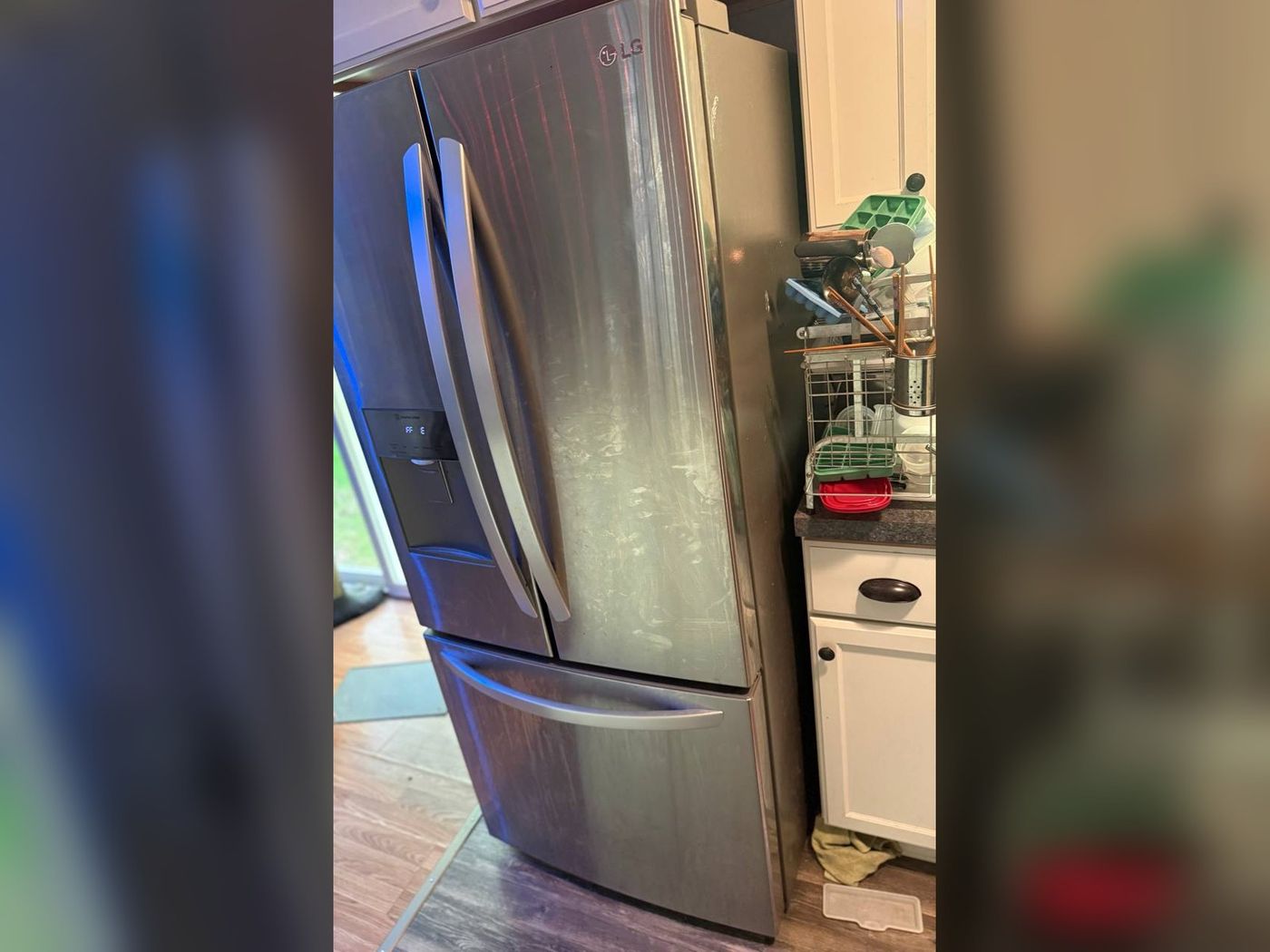
A refrigerator in a post-war Shoreline house usually lives in a slot that was cut for something much smaller. When a modern 36-inch French-door or a tall bottom-freezer gets pushed into that opening, the cabinets touch its sides, the top tucks in close under the upper cabinet, and the machine has to shed all of its heat through the grille at the floor. It copes for years. Then a condenser fan bearing starts to drag, or the coil underneath mats over with dust and pet hair, and the fresh-food side drifts warmer a degree at a time until the milk turns before its date.
That slow drift is the fridge complaint we hear most from Shoreline, ahead of leaks and ice trouble. We repair refrigerators and freezers of every common layout, including built-ins in remodeled kitchens and the spare unit in the garage. Your technician checks the outlet and breaker, reads temperatures at the coil and in the cabinet, and then tells you what failed and what fixing it will cost before touching anything. What we leave alone is the sealed system: if the compressor itself has quit or refrigerant has leaked out, we say so on the spot and help you weigh a replacement.
What you seeFresh-food side creeping into the 40s while the freezer stays solid
Likely causeEvaporator coil iced over after a defrost heater, sensor or control failed
What we doMelt the coil, test each defrost part and replace the one that quit
What you seeA click from the back every few minutes, and nothing runs
Likely causeStart relay or overload on the compressor
What we doTest and replace the relay; if the compressor is dead, we tell you before anything else
What you seeCabinet sides warm and the motor never rests
Likely causeMatted condenser coil or a seized condenser fan in a tight alcove
What we doClean the coil, replace the fan motor and check clearance around the case
What you seePuddle under the crisper drawers
Likely causeDefrost drain plugged with ice or debris
What we doClear the drain, confirm the drain heater works and dry the liner
What you seeBlank display or odd beeping once the power came back
Likely causeControl board or power supply hit by a surge on restore
What we doCheck voltage at the outlet, test the board and replace it if it failed
What you seeFreezer door drifts open or frost builds near the gasket
Likely causeTorn gasket or a sagging hinge on a heavy door
What we doReplace the gasket, adjust the hinge and level the cabinet
The tight-alcove problem gets sharper in hot weather. During the June 2021 heat dome Sea-Tac reached 108°F, and as of 2019 fewer than half of Seattle-area homes had air conditioning. A refrigerator in a warm kitchen with no room to breathe runs nearly nonstop, and any weakness in the condenser fan or a dusty coil shows itself within days. In older Ridgecrest, Briarcrest or Parkwood kitchens we pull the unit out, clean underneath, and point out whether trimming a filler strip or leaving a gap above the case would give it more air. That advice comes with the visit, and it can add years to a fridge we have just repaired.
Storms are the other Shoreline pattern. When the November 2024 bomb cyclone hit, about 43,000 Seattle City Light customers were without power at one point. Spoiled food is the obvious loss, but the quieter one is a refrigerator that comes back confused: a control board stuck in defrost, a display that stays dark, an evaporator fan that never spins up again. A surge or a brownout as the grid recovers can damage the low-voltage side of a modern board. We test the outlet first, because a tripped GFCI or a worn receptacle is a cheaper answer, and if the wiring in the wall is at fault we tell you to bring in an electrician.
Newer Shoreline housing brings different refrigerators. Townhomes built near the 148th and 185th light-rail stations since they opened in August 2024 often have counter-depth French-door models with water and ice in the door, set into cabinetry with little side clearance. Those units pack fans and boards into tight compartments, and getting at them means sliding the fridge out across new flooring. We bring floor protection and walk the unit out on its rollers, so the repair does not end with a scratched floor.
Refrigerator repairs start from $259, and the table beside this section shows how relays, valves, fans, defrost parts and control boards compare. Treat that starting figure as a floor rather than a quote: your exact price is written into the estimate after the $95 diagnostic, and the diagnostic is credited toward the repair once you approve it. If you decide not to go ahead, the diagnostic is the only charge.
| Start relay and overload on the compressor | from $259 |
|---|---|
| Inlet valve for the dispenser and ice | from $265 |
| Condenser fan motor | from $269 |
| Evaporator fan behind the freezer wall | from $269 |
| Defrost heater, sensor or timer | from $275 |
| Main control board | from $285 |
| Diagnostic visit | $95, counted toward the repair |
| Another appliance on the same call | $10 off its diagnostic |
2026 starting prices for Lynnwood and nearby towns. The $95 diagnostic counts toward any repair you approve, and your technician writes the exact figure down before work begins.
In an older Shoreline house the opening often makes the decision for you. A replacement that fits a 1950s alcove has to be narrower or shorter than most current models, and the counter-depth unit that squeezes in may hold less food than the one you have. So when the fault is a fan, a defrost part, a gasket or a board, we usually recommend fixing it, especially on a fridge that otherwise holds temperature well. The picture changes when the compressor or sealed system has failed: we don't do that work, and on a refrigerator past its middle years the cost of sealed-system repair rarely makes sense. Cracked liners, rusted hinges or repeated board failures also argue for replacing. We give you the estimate and our opinion, and the choice stays yours. If you do buy a new one, measure the alcove height as well as the width, since upper cabinets in post-war kitchens often hang lower than newer ones.
No. Recharging refrigerant, repairing leaks in the sealed system and replacing compressors are outside the work we do. Most warm-fridge calls turn out to be something else, such as a frosted coil, a failed fan or a dirty condenser, and those we repair. If the diagnosis does point to the sealed system, we tell you right then, explain what it means for a fridge of your model's age, and help you think through replacing it.
Sometimes, but check two things first: the breaker for the kitchen circuit and any GFCI outlet nearby, since either can trip when power returns. If the outlet has power and the display is still dark, the control board or its power supply becomes the likely suspect. Your technician measures voltage at the outlet and at the board, and the written estimate names exactly what needs replacing before any work starts.
Yes. Garage and basement units are common here, and many are older top-freezer models or chest freezers. They fail in the same ways kitchen units do. We can check both the kitchen fridge and the garage unit on one visit, and the second appliance diagnosed that day gets $10 off its diagnostic.
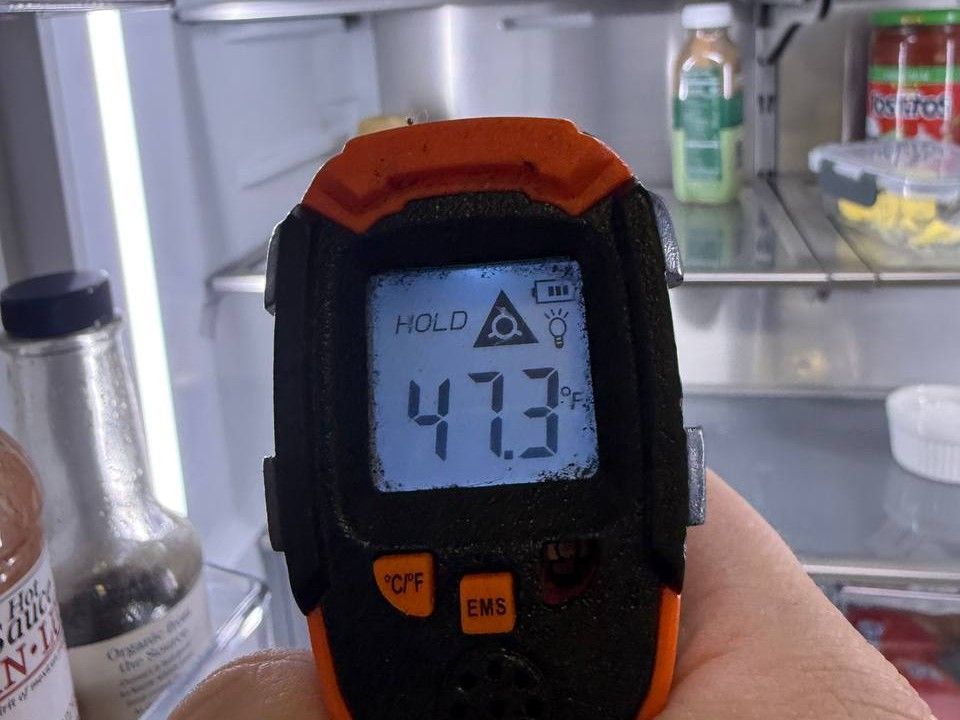
Shoreline is roughly 12 to 16 minutes from central Lynnwood when traffic is light. Same-day visits run Monday through Saturday, and a morning call leaves the most room in that day's schedule. There is no surcharge for the distance. While you wait, keep the doors closed and move the most perishable food to a cooler if the fresh-food side has climbed above 40°F.
The model and serial number help most. On most refrigerators the label sits inside the fresh-food section on a side wall or near the crisper drawers. Read it to us at (425) 287-5458 or type it into the booking form, along with what you see: temperatures, sounds, error codes. With that, your technician can bring the likely part in the vehicle and finish on the first trip more often.
Something not working?
Call (425) 287-5458 or book online, and we will set up a Shoreline refrigerator visit, often for the same day. The $95 diagnostic counts toward the repair when you approve it. Seniors 65 and older, veterans and military households get up to $18 off the repair itself.
Refrigerators
Frost on the packages by the door, ice in one corner, a garage freezer that frosts over in weeks: how to read the pattern and test the gasket before you call.
Book a repair
Three quick steps. We call back to confirm a time; requests that come in during the morning can usually be seen the same day.
Rather call? (425) 287-5458 · Mon–Sat 8–7