Refrigerators
Frost building up in the freezer: read the pattern, then check the seal
Frost on the packages by the door, ice in one corner, a garage freezer that frosts over in weeks: how to read the pattern and test the gasket before you call.
Refrigerators & freezers · Lynnwood
From a counter-depth French-door model in a City Center apartment to an old top-freezer humming in an Alderwood Manor garage, we find the fault, put the price in writing and usually carry the part that fixes it.
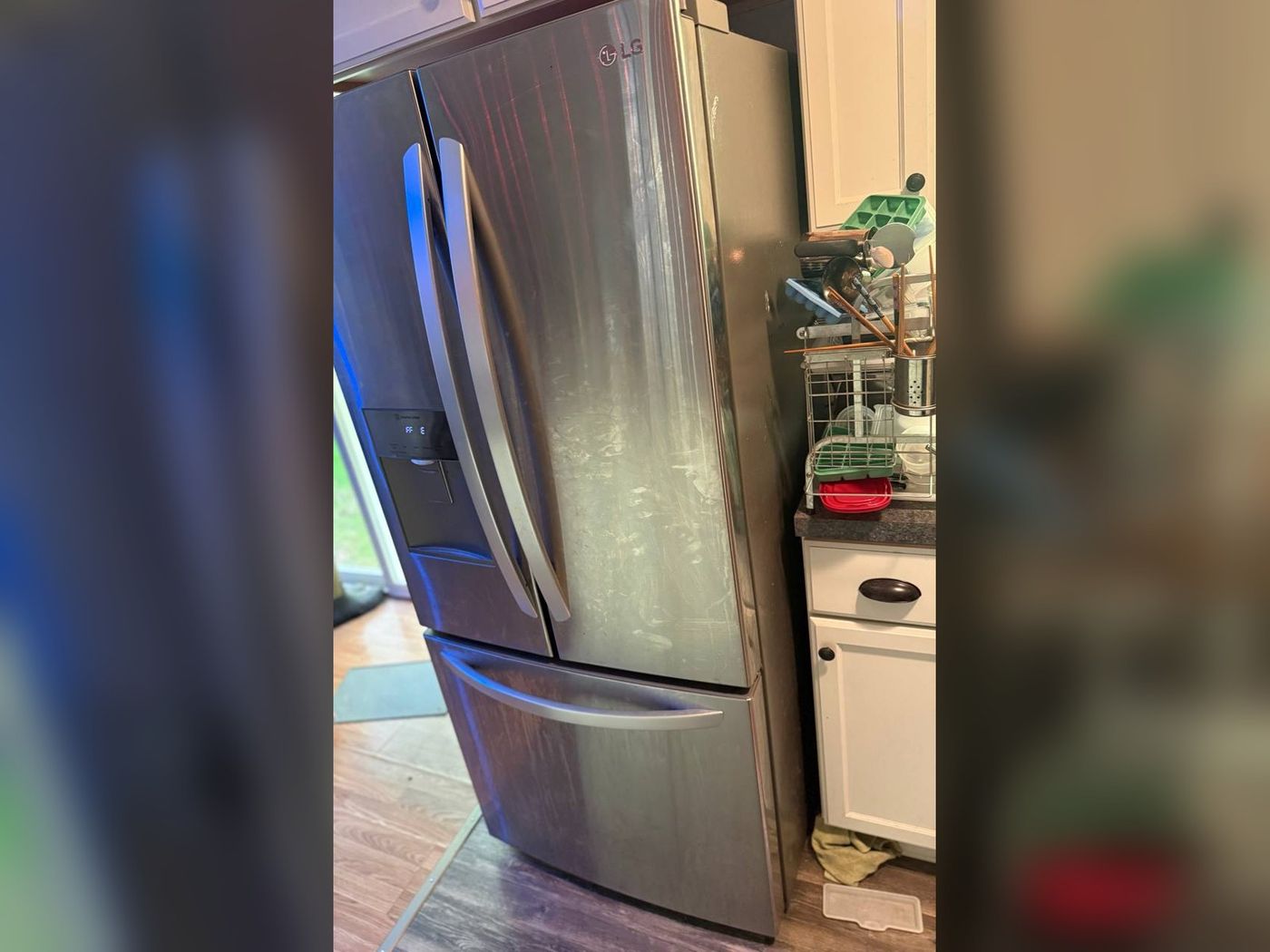
A refrigerator in Lynnwood tends to live one of two lives. In the apartments, condos and townhouses that now hold more than half of the city's homes, it is usually the only cold storage in the home, pushed into a cabinet bay with very little room to breathe. In the detached houses of Alderwood Manor, Meadowdale and Martha Lake, there is often a second one out in the garage, sometimes next to a chest or upright freezer, and those garage units live in a climate the kitchen never sees. Quite often the garage model is the old kitchen fridge, retired there after a remodel and still running decades later.
Both kinds break in recognizable ways. Kitchen units mostly lose airflow: a coil buried in frost, a stalled fan or a defrost part that quit, which keeps the freezer cold while the fresh-food side drifts toward room temperature. Garage units suffer heat in summer and a kind of confusion in winter, because a single-thermostat refrigerator parked in a cold garage can rest so long that the freezer goes soft. Your technician works out which story your fridge is telling before anything is replaced.
What you seeFreezer fine, fresh-food side creeping toward room temperature
Likely causeFrost has choked the evaporator because a defrost heater, sensor or control stopped working
What we doLook at the coil, meter the defrost circuit and replace the piece that failed
What you seeA click every few minutes and the compressor never settles in
Likely causeStart relay or overload on the compressor giving out
What we doTest the start device and replace it; if the compressor itself is dead, we say so plainly
What you seeRuns without a break and the back panel feels hot
Likely causeCondenser coil matted with dust, or a condenser fan that stopped
What we doClean the coil, test the fan motor and check that the cabinet bay leaves room to vent
What you seePuddle under the crisper drawers
Likely causeDefrost drain plugged with ice or food debris
What we doClear and flush the drain, then find out why it froze in the first place
What you seeBlank or blinking display after a power cut
Likely causeMain control board or its power supply hit when service returned
What we doCheck the outlet and supply, test the board's inputs and outputs, then advise
What you seeGarage freezer section goes soft on cold nights
Likely causeSingle-thermostat model in an unheated space stops calling for cooling
What we doConfirm the cause, see whether the model takes a garage heater kit, or suggest a warmer spot
June 28, 2021 is still the reference point around here. The Everett Herald reported an unofficial 109°F in Lynnwood that afternoon, during a week when only a minority of homes in the region had air conditioning. A refrigerator gets rid of heat through its condenser, and when the room around it is that hot, the coil cannot shed it fast enough, so the compressor runs without stopping. Units with dusty coils or a lazy condenser fan were the first to fall behind. If yours struggled that week and has never quite caught up, a coil cleaning and a fan test are where we begin. For garage units, vacuuming the coil each spring and keeping boxes away from the grille does more than any gadget.
The November 19 and 20, 2024 bomb cyclone left more than 70,000 Snohomish County PUD customers without power. Long outages are hard on food but usually gentle on the refrigerator itself. The return of power is the rough part, with its flickers and short drops, and newer models with electronic controls sometimes came back with a dark display, a board that no longer switches the fans or a variable-speed compressor that would not start. We test before we condemn a board, because a tripped breaker or a worn receptacle can look exactly the same from the front.
In the apartment buildings around City Center, and in North Lynnwood, where roughly three homes in ten sit in large complexes, the refrigerator usually belongs to the landlord. We are glad to come at a tenant's request, but the person who approves the repair should see the written estimate first. Counter-depth and built-in models in newer units sit in tight bays, so we slide them out carefully and protect the floor on the way.
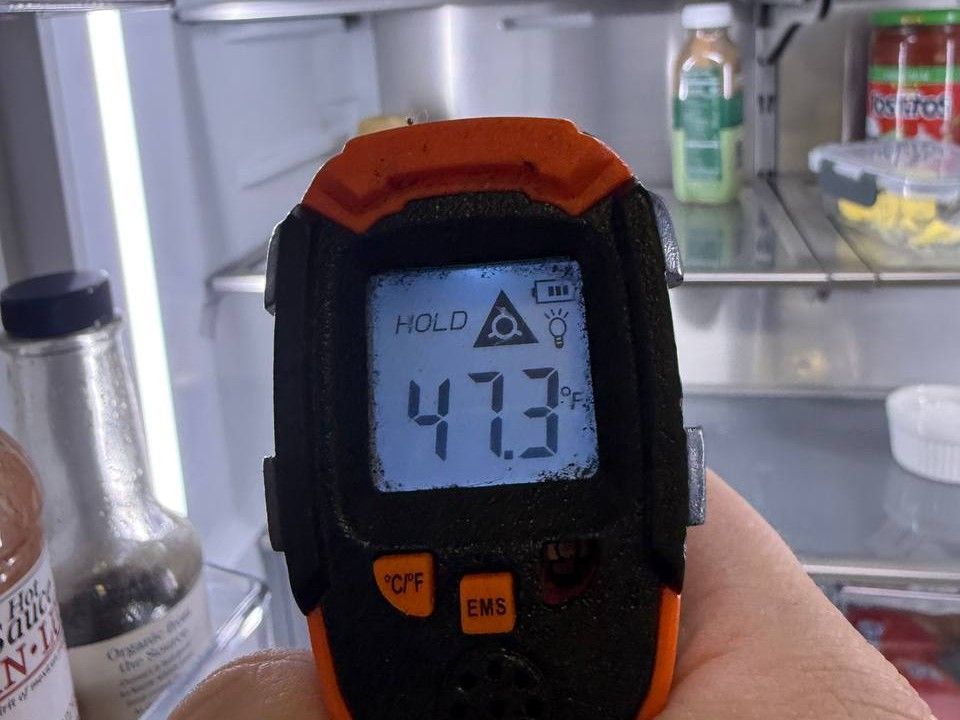
Refrigerator repair starts at $259 for the usual jobs: start relays, water valves, condenser and evaporator fans, defrost parts and control boards. That figure is where the category begins, not a quote for your fridge. Your technician writes the exact price after the $95 diagnostic, and nothing is replaced until you have read and approved it. Sealed-system work, meaning compressor replacement or refrigerant leaks, is something we do not do; if the testing points there, we tell you before the visit ends.
| Start relay and overload on the compressor | from $259 |
|---|---|
| Inlet valve for the dispenser and ice | from $265 |
| Condenser fan motor | from $269 |
| Evaporator fan behind the freezer wall | from $269 |
| Defrost heater, sensor or timer | from $275 |
| Main control board | from $285 |
| Diagnostic visit | $95, counted toward the repair |
| Another appliance on the same call | $10 off its diagnostic |
2026 starting prices for Lynnwood and nearby towns. The $95 diagnostic counts toward any repair you approve, and your technician writes the exact figure down before work begins.
Most refrigerator faults we find in Lynnwood sit in the parts around the sealed system rather than inside it: fans, defrost components, relays, valves and boards. Those are worth fixing on nearly any fridge that still seals well and is not rusting through at the hinges or the floor of the cabinet. The math changes when the compressor or the refrigerant circuit has failed, since that work is outside what we repair, or when a garage unit from the 1990s needs its second major part in a year. For owners of City Center rentals, a builder-grade top-freezer that keeps failing may cost more in tenant calls than a replacement would. For a built-in or counter-depth unit in a remodeled Meadowdale kitchen, repair usually wins, because the cabinet opening limits what you could buy instead. You get the estimate and our plain opinion, and the decision stays yours.
It can, within limits. Many single-thermostat refrigerators rely on the fresh-food section to call for cold, so in a chilly garage they rest too long and the freezer warms. Hot afternoons push the condenser the other way. A dedicated chest or upright freezer copes better out there. If a garage fridge misbehaves with the seasons, mention it when you book and we will check whether the model accepts a garage kit.
Sometimes, but not always. Start by checking the breaker and plugging a lamp into the same receptacle. If both are fine and the display stays dark or the fridge will not cool, book a visit. We test the receptacle, the supply and the board before naming a part, and if the fault turns out to be in the home's wiring, we tell you so an electrician can handle it.
No. Sealed-system repair is outside our work, along with commercial refrigeration. What we can do is test whether the compressor really is the problem, or whether a start relay, a fan or a control board is making it look that way. If the sealed system has failed, we say so during the diagnostic and help you weigh the age and condition of the fridge against buying a new one.
Yes. Built-in and panel-ready models from makers such as Sub-Zero, Thermador, Monogram and KitchenAid turn up in remodeled Lynnwood kitchens, and their fans, defrost parts, valves and boards are within our work. Some of those parts have to be ordered, so read us the model number on the phone or put it in the notes when you book online, and we will try to bring the right part on the first trip.
Keep the doors shut, move the most perishable food into a cooler, and make sure packages are not blocking the air vents inside the freezer. If there is frost on the back wall of the freezer, leave it alone; your technician needs to see it to confirm a defrost fault. Unplugging the fridge to melt the ice hides the evidence and usually buys only a day or two.
Something not working?
Call (425) 287-5458 or book online with the model number, which is printed on a sticker inside the fresh-food section. Say yes to the estimate and the $95 diagnostic is applied to it, and if you are 65 or over, a veteran or part of an active-duty military family, up to $18 comes off the repair as well.
Refrigerators
Frost on the packages by the door, ice in one corner, a garage freezer that frosts over in weeks: how to read the pattern and test the gasket before you call.
Book a repair
Three quick steps. We call back to confirm a time; requests that come in during the morning can usually be seen the same day.
Rather call? (425) 287-5458 · Mon–Sat 8–7